So, let’s start our today’s article about Google Gemini’s New Future in 2026: Redefining AI Across Devices and Daily Life:
Google Gemini’s New Future in 2026: Redefining AI Across Devices and Daily Life
The release of Google Gemini, the flagship artificial intelligence . System of Google in 2026, will allow the company to revolutionize. The way billions of individuals engage with technology on a daily basis. Gemini is not just a new version of the Google Assistant, but a complete change in the way intelligent systems enhance human action. Which crosses smartphone, home and wearable technologies. Gemini will be a combination of highly sophisticated reasoning. Natural language processing, and visual recognition to reinvent convenience, productivity, and creativity in every sphere of everyday life.
1. Replacing Google Assistant:

The Android ecosystem will be the most prominent transformation to Google’s AI strategy in 2026. When Google Assistant will become Gemini. Years after its evolution. Google has also started to retire the older voice assistant and start using Gemini. A new default conversational interface on Android devices. This change is the end of the era of Google Assistant. Which had been used by users reliably for more than ten years. In comparison with its predecessor. Gemini is made to address a more complex and context-sensitive set of tasks and offer more multimodal responses. Combining both visual and verbal information.
The shift to Gemini is not sudden, and users and developers have time to adjust to it . And the AI is supposed to provide stable and reliable work across the devices. Gemini is projected to supplant Google Assistant on all Android devices that will be compatible with it by the end of 2026. Which is a major milestone in the development of AI at Google.
2. Advanced AI Capabilities:
The latest model to be introduced by Gemini is one offering high-tech features to the masses. It integrates generative AI with highly developed reasoning capabilities, thus being able to work on more than just voice orders. Users are now able to make Gemini summarize information, solve complicated issues, create creative content, and even code or interpret data. Its contextual insight and multiple mode responses are much more comprehensive and nuanced than those of the previous virtual assistants.
Gemini has an interactive search that enables a user to pose complex questions and get dynamic, enhanced responses that contain visual information, simulations and step-by-step tutorials. The ability to facilitate planning, execution, and problem-solving also makes the business and developers effective in implementing Gemini as a flexible tool for both professional and personal applications.
3. Smart Homes and Appliances integration:
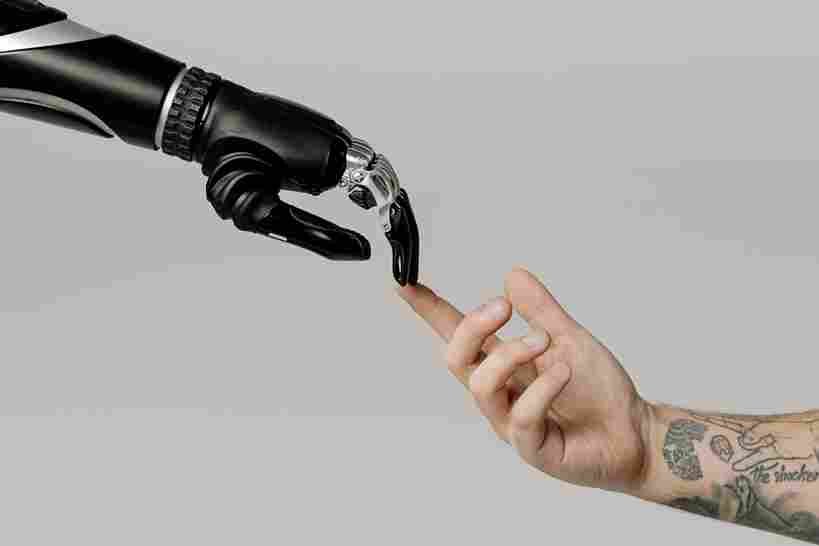
Gemini does not only work with phones and computers. One of the most obvious elements of its 2026 implementation is its implementation into smart home devices. Gemini is introducing intelligent automation to daily routine through refrigerators that keep track of inventory and recommend meals, ovens that can change cooking times in real-time based on feedback and much more. Through the implementation of AI into appliances, Google and its associates are heading to the future where devices will not be merely taking orders, but also predicting our needs and offering proactive assistance.
This is also integrated in other systems of the house, including lighting, climate and security. Through Gemini, users will be able to control their homes effectively and thereby make life much easier and related.
4. Wearables and Mobility Expansion:
Google, too, is in the process of expanding the features of Gemini to wearable technology. Next in line are AI-based glasses and smartwatches, which will allow receiving contextual information and real-time support in a hands-free form. With this development, the user can access data, get notifications and even communicate with AI outside the use of conventional screens or voice commands.
Gemini is also forming a part of Android Auto and navigation systems in mobility. It assists motorists in mapping routes, organizing activities and keeping updated during movement. The AI will guarantee safer, smarter, and efficient driving experiences through the use of contextual and real-time information.
5. Business Impact and Monetization:
One of the most important parts of the growth of Gemini in 2026 is that it may be monetized. Google is considering how to incorporate advertisements and business engagements into AI responses. Instead of using the conventional ad placements, Gemini will have the ability to provide context-based product suggestions and recommendations in its responses. The integration offers business opportunities to new ventures, and the experience of AI is interactive and user-oriented.
Meanwhile, businesses are leveraging Gemini to improve operations, automate the workflow, and understand their customers. It is an intelligent and versatile tool that is useful in a variety of industries, including e-commerce and business-to-business services.
6. Challenges and Reflections:
Gemini has a few issues, in spite of its potential. Customers can be worried about privacy and data processing, as well as AI-based advertising. Also, the substitution of a trustworthy voice assistant with a more sophisticated generative AI gives a chance to unpredictable actions or misunderstandings of instructions. Google is also working on these problems by constantly updating, educating users and rolling them out in phases to achieve stability and reliability.
Ethical implications also continue to be at the core of the development of Gemini, as well as openness in AI decision-making and accountable implementation in the personal and professional environments.
7. The Future of AI in Our Daily Life:

The overall vision behind Gemini is to establish an AI that is perfectly incorporated in every field of life. Gemini is created to complement human abilities instead of merely mitigating manual work, whether it is helping with creative work and research or performing domestic chores and personal management. It is a key component of an AI-first ecosystem at Google due to its multimodal reasoning, predictive help, and interactivity.
Gemini is a peek into the future of AI: In 2026, intelligent systems are active collaborators in our day-to-day lives and capable of assisting users in making improved decisions, saving time, and discovering new opportunities. As an essentially cross-platform device, appliance, and wearable, integration will help Gemini redefine what it means to live in the connected and AI-enhanced world.
Conclusion:
The growth of Google Gemini in 2026 will mark a critical point in the development of AI. Gemini has the potential to make AI an intelligent and proactive partner by substituting Google Assistant and integrating across platforms and throughout daily experiences. Gemini will continue to transform human interaction with technology as it becomes smarter and able to accomplish more, making it a future where AI is not a tool but a part of human life.
The end of our today’s article about Google Gemini’s New Future in 2026: Redefining AI Across Devices and Daily Life: